Long-Range Strategy for a Stable, Free, and Balanced World
Global order is never self-sustaining. These essays outline a long-term approach to American leadership that pays close attention to geography, demographics, economic realities, and the responsibilities carried by a free nation. Here you will find strategic frameworks rather than reactions, written with the goal of strengthening international stability in a divided world.

Iran and Israel: Grief, Context, and the Discipline of Moral Clarity
Innocent children have died in the recent strikes. Grief is necessary. But if we’re going to understand the Iran-Israel conflict honestly, we must hold grief and context together — without panic, propaganda, or selective outrage.
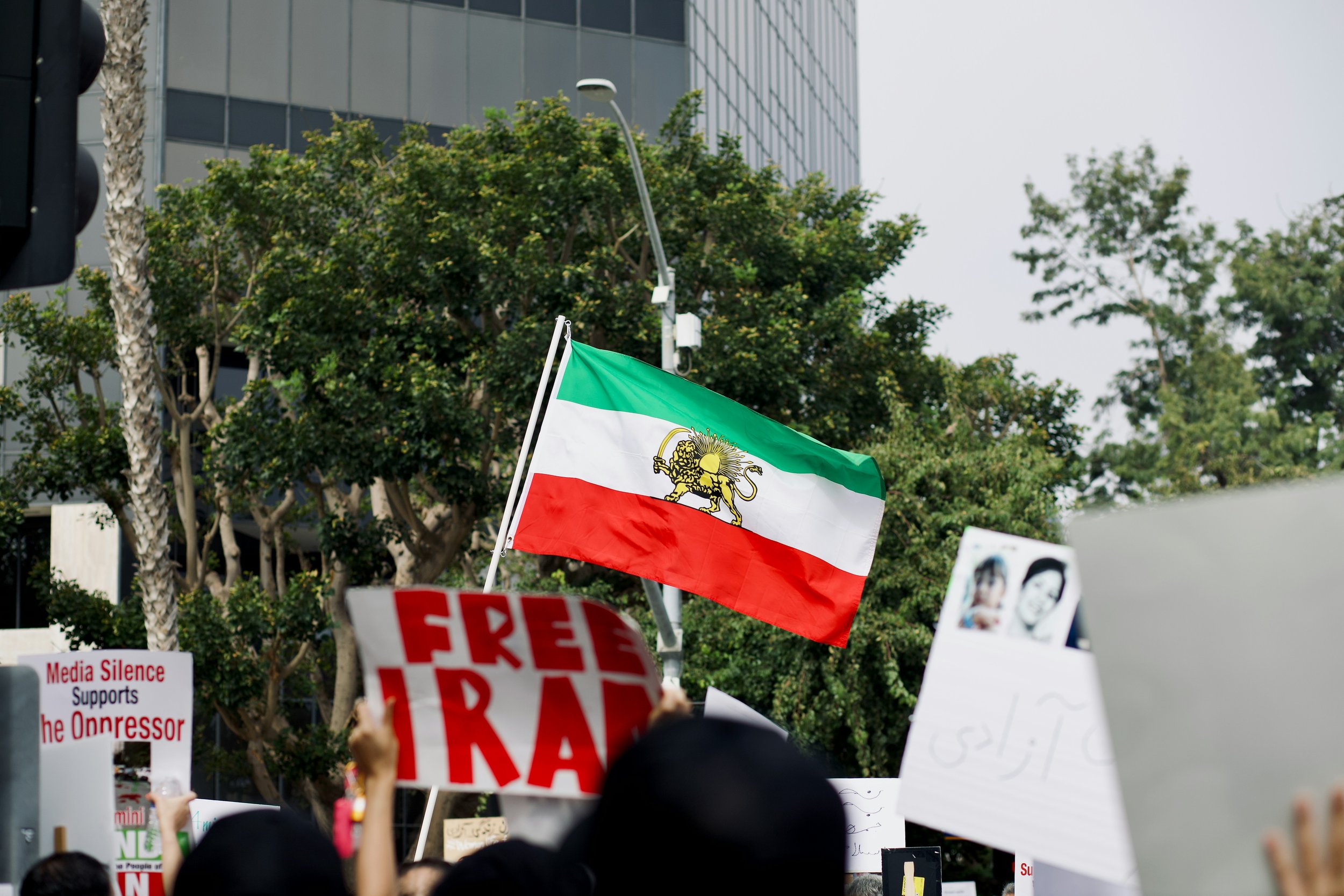
The Islamic Republic and the Limits of Diplomacy
Iran’s challenge is not limited to uranium enrichment. It is rooted in the structure of the Islamic Republic itself. While diplomacy can slow escalation, it cannot by itself resolve a regime that has embedded confrontation into its governing identity since 1979. Any durable strategy must distinguish between Iran’s civilizational history and the ideological system that now directs its foreign policy.

Israel’s Security Is Not Paranoia. It’s Pattern Recognition
Israel’s security posture is often dismissed as fear or overreaction. History tells a more complicated story shaped by ideology, proxy warfare, repeated offers of compromise, and threats that refuse to stay rhetorical. This is not an argument for war. It is an argument for memory.

After Venezuela: Power, Legitimacy, and the Need for Partners
When the United States uses force, the real test of leadership comes after the headlines fade. Venezuela now raises a deeper question about legitimacy, regional stability, and whether American power can translate into lasting order without trusted partners to help carry the burden.

The Anchor State Strategy: A Framework for American Leadership in a Divided World
Brazil, Germany, and India each hold more influence over regional stability than most nations realize. This essay introduces the Anchor State Strategy, a framework for understanding how these pivotal countries shape global order and why American leadership should focus on long-term partnership rather than short-term reaction.